About Government Technical College Yola
The Story of Government Technical College Yola
Established in 1979, it began with just 30 students and has since grown to over 1,000 students. Initially, it began with around 970 students from a former technical college and has since grown significantly.
Academic Programs & Excellence
SECTIONS: Senior Secondary School and Junior Secondary School CLASSES: Senior Secondary 1, 2 & 3 and Junior Secondary 1, 2 & 3 ARMS: A, B, C, D, E, F & G HOUSES: Blue, Green, Orange, Pink, Purple, Red and Yellow SENIOR SECTION 1. Agricultural Science 2. Arabic 3. Biology 4. Building Construction 5. Christian Religious Studies 6. Catering & Craft Practice 7. Chemistry 8. Civic Education 9. Commerce 10. Computer/ Information Communication Technology 11. Dyeing & Bleaching 12. Economics 13. Electronics 14. English Language 15. Financial Accounting 16. Fisheries 17. Food And Nutrition 18. French 19. Further Mathematics 20. Garment Making 21. Geography 22. Government 23. Hausa 24. History 25. Home Management 26. Islamic Religious Studies 27. Insurance 28. Literature in English 29. Mathematics 30. Physics 31. Technical Drawing 32. Visual Arts DEPARTMENTS 1. SCIENCE: Chemistry, Physics, Biology, Mathematics, Computer/Information Communication Technology, Fisheries, Agricultural Science, Pre-Vocational studies They offer courses in all sorts of fields, like engineering, technology, and many other trades. 8. St. John’s Science and Technical College, Alor 10. Federal Science Technical College, Zik Avenue, Awka Course Duration and Qualifications of Technical Schools in Nigeria Public technical schools are government-funded institutions that offer vocational training programs. Private technical schools are independently funded institutions that charge tuition fees for their programs. They often offer specialized courses and may have more modern facilities compared to public schools. Private technical schools generally have smaller class sizes, allowing for more personalized attention. Additionally, applicants are required to pass relevant entrance examinations or possess specific educational certificates that demonstrate their readiness for technical training. At Government Technical College, Mubi, students can choose from several programs and courses that focus on technical skills. Relevant Examination Results: Students need to have good results from examinations like NECO (National Examinations Council) or WAEC (West African Examinations Council). These results show that they have the necessary knowledge in subjects like Mathematics and English. It offers a variety of subjects across different departments, including science, humanities, business, and technology. The college’s structure includes junior and senior secondary sections with multiple classes and houses for student organization.
Campus & World-Class Facilities
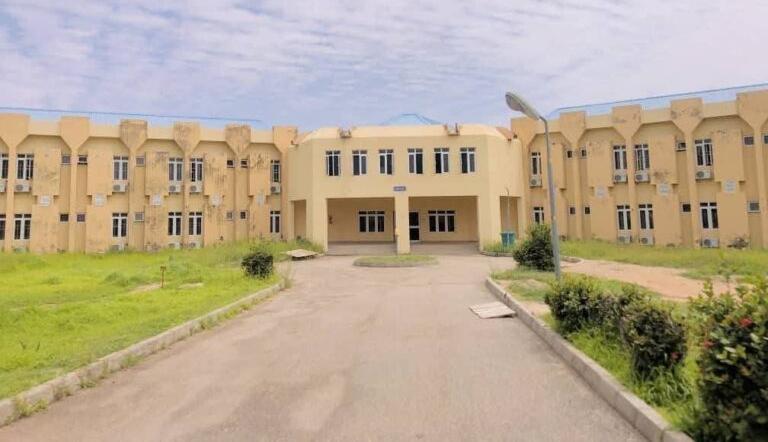
The campus features modern facilities such as laboratories, workshops, and libraries, creating a supportive environment for learning. Plumbing: The plumbing program teaches students how to install and repair water systems in homes and buildings. Students learn about pipes, fixtures, and how to ensure that water flows properly. They also gain skills in troubleshooting plumbing issues. Electrical Work: In the electrical work program, students learn about electricity and how it works. They study how to install electrical systems in homes and buildings, as well as how to fix electrical problems. This program helps students understand safety practices when working with electricity. The college emphasizes modern teaching methods and has well-equipped classrooms and laboratories to enhance learning experiences. Through hands-on learning experiences, the college fosters expertise in specific fields, contributing to the development of a skilled labor force in the region. Block Laying: This course teaches students how to build walls and structures using blocks. Students learn about different types of blocks, how to mix mortar, and how to ensure that buildings are strong and safe. 1. Infrastructure and funding issues: Many institutions struggle with inadequate facilities and resources due to insufficient government funding. Technical colleges in Nigeria provide a route into trades such as electrical work, building, fabrication and other practical occupations. A useful choice depends on the trade being taught, the equipment learners use and the qualification awarded at the end.
Life at Government Technical College Yola
Government Technical College, Yola was founded in 1979 with 30 students and today has over 1000 students, located in Yola, the Adamawa State capital in the North East geopolitical zone of Nigeria. The college has staff strength of 164, consisting 0f 74 academic staff and 86 non academic non academic staff including NYSC members. It has houses named yellow, green, purple, pink, blue, orange, red which a student must belong to. The students also belong to clubs and societies ranging from Computer, Mathematics, Jets, Young Farmers, French, Geography, Arts, Arabic, Road Safety, Drama and Culture, Commonwealth, Red Cross, Girls Guide, Health, Environment, Anti HIV and AIDS , Girls Education Movement, Youth Anti-crime, NAFDAC, Stock Exchange, Students; Parliament, Government. Their primary objective is to prepare students for specific careers by offering hands-on experience alongside theoretical knowledge. Skill acquisition: Providing students with the necessary skills to excel in their chosen fields. Self-employment opportunities: Encouraging entrepreneurship by teaching students how to leverage their skills for economic independence. The college aims to equip students with practical skills that are essential for various trades, thereby enhancing their employability and contributing to local economic development. The college offers a variety of technical programs designed to provide students with hands-on training in specific trades. These include carpentry, where students learn woodworking techniques; plumbing, which covers installation and maintenance of water systems; and electrical work, focusing on wiring and electrical systems. The curriculum is structured to ensure that students gain practical experience, preparing them for immediate employment or self-employment after graduation. The emphasis on practical skills helps students develop the necessary competencies to succeed in the workforce. To gain admission into Ohafia Technical College, prospective students must meet certain age criteria. This ensures that all students have a foundational knowledge and skill set before embarking on their vocational education journey. Being a public institution means that it is funded by the government, making education more affordable for students. The college aims to equip students with practical skills and knowledge that can help them in various technical fields. Electrical/Electronic Engineering: This program teaches students about electrical systems and how to work with electronic devices. Students learn how to install, maintain, and repair electrical equipment.
Key Information
- School Type
- public
- Curriculum
- Nigerian
- Levels Offered
- Not specified
- Student Type
- Day Only
- Gender
- Co-ed
Learn more about Government Technical College Yola from these trusted sources:
- 1
- 2
- 3