Academic Programs & Excellence
💡 Example: Many Nigerian leaders and entrepreneurs trace their leadership journey back to secondary school roles like “head boy” or “debate team captain.” Overemphasis on academics – Parents and schools often prioritize grades over personal growth. Education is incomplete without extracurricular involvement. In Nigerian secondary schools, these activities serve as the bridge between academics and real-life experiences . To be a leading Christian girls’ secondary school committed to raising academically excellent, morally upright, and globally competitive young women equipped with the knowledge, character, and skills to lead and make meaningful contributions to society. Excellence – Striving for the highest standards in academics, leadership, and personal development. Ensuring world-class standards in curriculum delivery and student outcomes. Browse curriculum materials, publications, forms, and official guidelines.
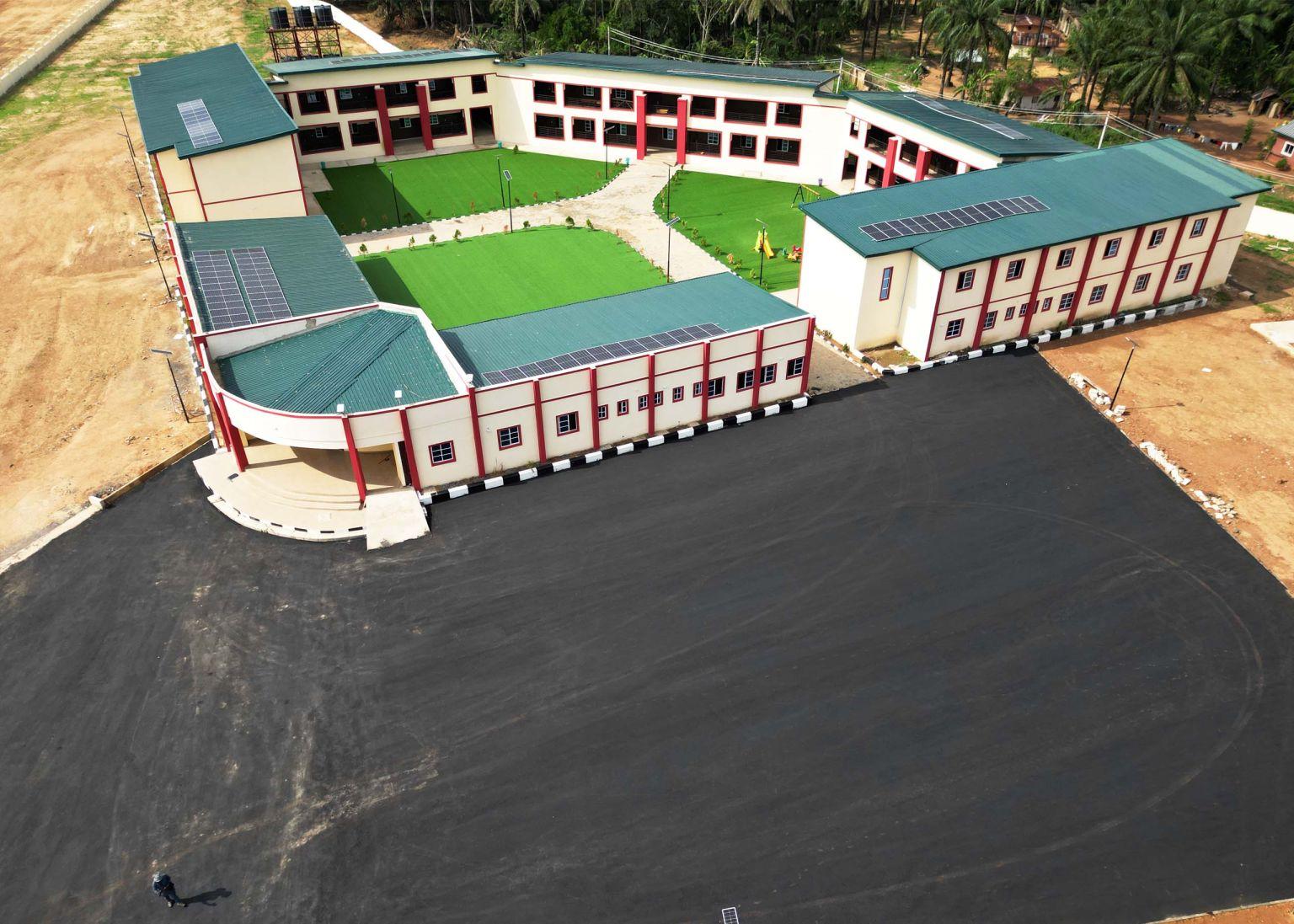
Campus & World-Class Facilities
Inadequate infrastructure – No playgrounds, music rooms, or libraries. "Our mission is to ensure that every child in Enugu State has access to world-class secondary education. By empowering our teachers and modernizing our infrastructure, we are building a future of excellence."
Life at Government Girls Secondary School Enugu
In the fast-paced world of academics, many Nigerian secondary school students - and even parents - often believe that success depends solely on classroom performance. While academics are undeniably important, extracurricular activities play a powerful role in shaping well-rounded, confident, and capable young individuals. Extracurricular activities are organized school-based or after-school programs that go beyond the standard academic curriculum. They include any non-academic pursuits that help students develop social, physical, intellectual, and leadership skills. Sports: Football, basketball, athletics, volleyball, table tennis, swimming. Clubs and Societies: Debate club, press club, Jet club, drama club, literary and debating society. Community Service: Environmental clubs, Red Cross, Scouts, and Girls’ Guide. STEM and Innovation: Coding clubs, robotics, science exhibitions. In many Nigerian secondary schools - both public and private - extracurricular activities are mandatory because they promote discipline, teamwork, and creativity . The Federal Ministry of Education encourages schools to include clubs and sports as part of their timetable because education is not just about mental development but also about character formation and social growth . Let’s explore the most important advantages Nigerian secondary school students gain from participating in extracurricular activities: Surprisingly, students who engage in extracurricular activities often perform better academically than those who don’t. For instance, a student in the debate club learns to organize thoughts quickly and communicate effectively - skills that improve essay writing and oral exams. 📘 Studies by the Nigerian Educational Research and Development Council (NERDC) show that balanced students (those active in both academics and activities) tend to score higher in cognitive tests and school assessments. Sports-related activities like football, athletics, and basketball promote physical health . In a country where sedentary lifestyles are increasing due to technology, regular exercise helps students stay active and alert. Schools that encourage sports help reduce obesity and related health issues among students. Extracurricular activities naturally improve how students interact with others. Through clubs, debates, and team projects, they learn: For example, members of a drama club or press club often become confident speakers and good listeners - qualities that prepare them for leadership and future careers.